What are they for?
How often have you wondered what the function of omega-3 fatty acids is? It's difficult to discuss the role of these fats, as they are biologically active substances that almost never have a direct effect, but rather participate in a collective process. They can be converted into eicosanoids (biologically active substances) and affect the tissues that produce them. They act very similarly to hormones and are particularly important for brain function and retinal health. They appear essential during pregnancy and breastfeeding to ensure proper fetal development and the child's intelligence.
Types of Omega-3 Fatty Acids
There are different types of omega-3 fatty acids, and as you might guess, not all are the same. The three most important are ALA, EPA, and DHA.
Alpha-linolenic acid, or ALA.
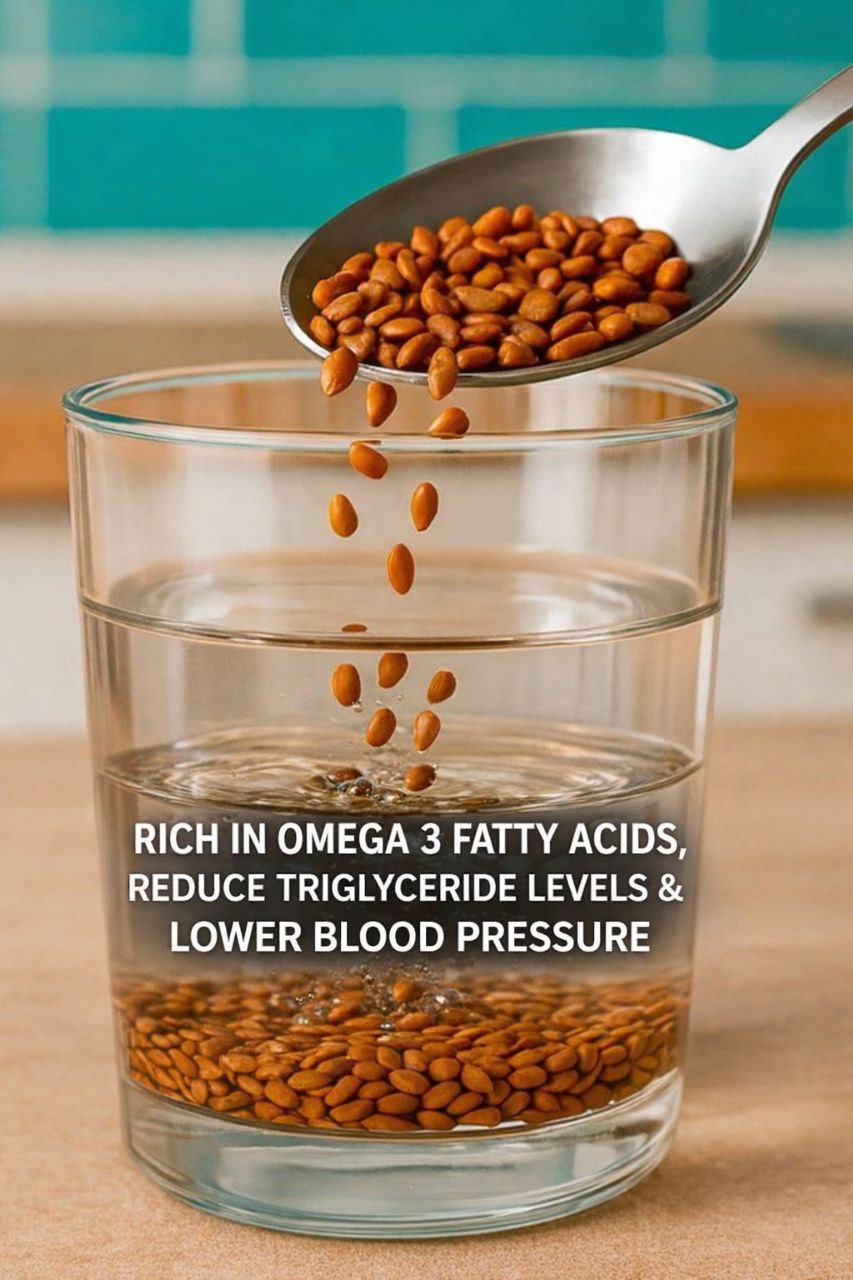
Alpha-linolenic acid (ALA) is the most common omega-3 fatty acid in the diet. It is found primarily in plant foods and must be converted to EPA or DHA before it can be utilized by the body. However, this conversion process is inefficient in humans, so in most cases, ALA is simply stored or used as an energy source. ALA is found in many plant foods, such as kale, spinach, lettuce, soybeans, nuts, and many seeds, such as chia, flax, and hemp.
Eicosapentaenoic acid (EPA)
The body uses eicosapentaenoic acid (EPA) to produce eicosanoids, which play numerous physiological roles and reduce inflammation. EPA is found in the highest concentrations in herring, salmon, eel, shrimp, and sturgeon. It can also be found in grass-fed animal products such as dairy and meat.
Docosahexaenoic acid (DHA
) is an important structural component of the skin and retina. It is essential for brain development and function in childhood, as well as for brain function in adults. It is no coincidence that its consumption is recommended during pregnancy and breastfeeding. The main sources include fish, fish liver, fish oil, fish liver oil, algae, algae oil, and krill oil.
The other eight omega-3 fatty acids are:
hexadecatrienoic acid (HTA)
stearidonic acid (SDA)
eicosatrienoic acid (ETE)
eicosatetraenoic acid (ETA)
heicosatetraenoic acid (HPA)
docosapentaenoic acid (DPA)
tetracosapentaenoic acid
tetracosahexaenoic acid
Properties