Shrimp is one of those ingredients we love to cook without giving it much thought. Quick, flavorful, and versatile, it’s just as welcome in a fresh salad as in a more elaborate dish. Yet one small detail continues to raise questions: the thin dark line running along its back. We often notice it, sometimes hesitate… but do we really know what it is—and, more importantly, whether we should be concerned about it?
That Dark Line Everyone Notices
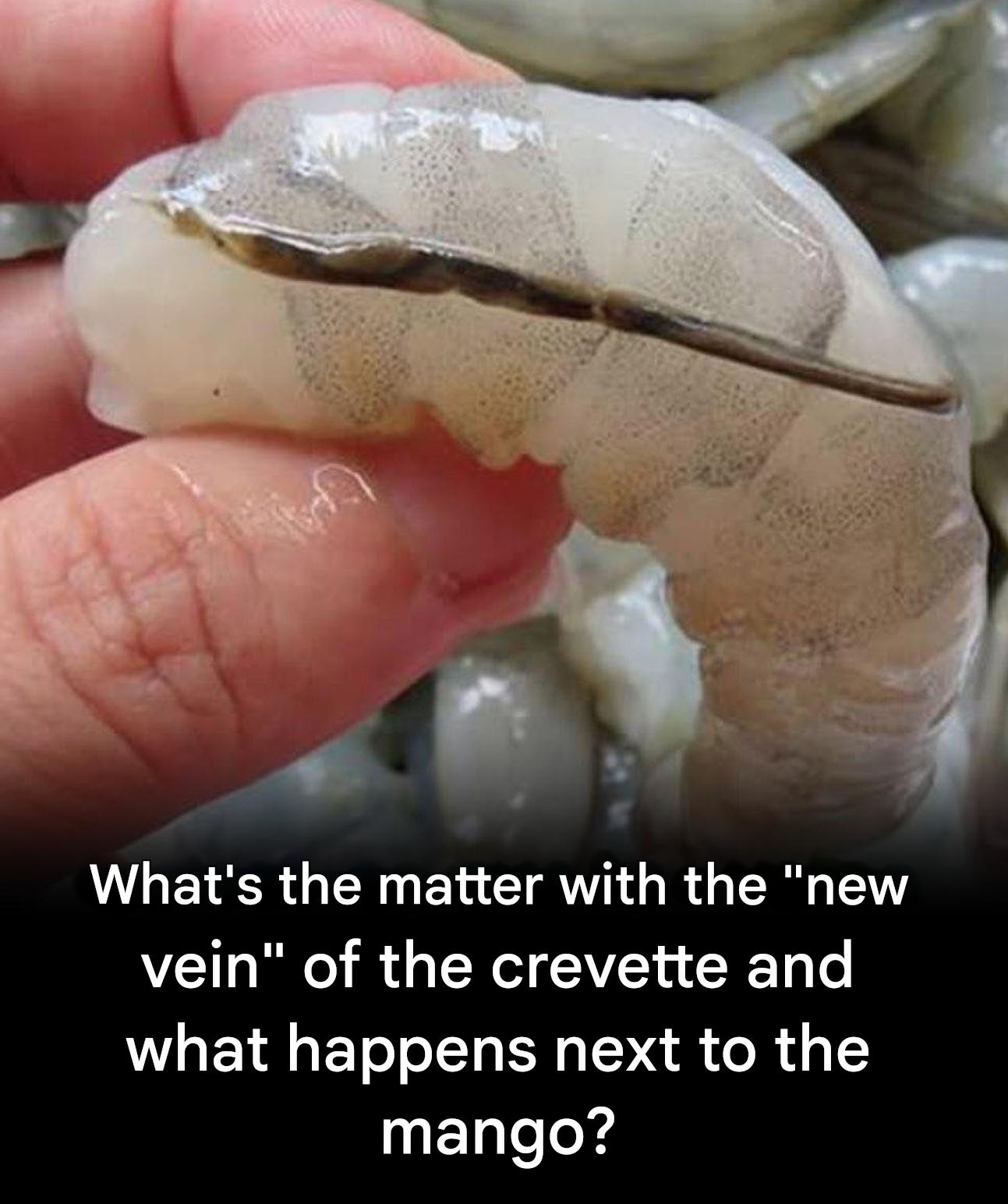
It’s commonly referred to as the shrimp’s “vein,” but this term is misleading. In reality, it’s the shrimp’s digestive tract. Located along the back, it may contain remnants of what the shrimp has consumed in its environment, such as algae or tiny natural particles. Depending on its contents, this line can range in color from light brown to nearly black.
It’s usually when peeling a large shrimp that it becomes clearly visible, prompting the familiar question: should it be removed or not?
Is It Risky to Eat It as Is?
The good news is that, from a food safety standpoint, eating shrimp without removing the digestive tract is generally not a problem—provided the shrimp is fresh and thoroughly cooked. Proper cooking eliminates harmful microorganisms and makes the shrimp safe to eat.
However, cooking isn’t just about safety. Flavor, texture, and overall enjoyment matter just as much, especially when you’re aiming to please guests or elevate a dish.