Imagine going about your day when suddenly one leg feels strangely heavy, numb, or weak—especially on just one side. It’s easy to brush it off as fatigue, a pinched nerve, or just getting older. But research shows that sudden changes like these in the legs can sometimes signal something far more serious: an approaching stroke. Strokes happen when blood flow to the brain is interrupted, and catching the signs early can make a huge difference in outcomes. Many people, especially older adults, overlook these subtle clues until it’s too late. In this article, we’ll explore what these leg-related signals might mean, why they matter, and simple steps you can take right now to stay safe—because knowing this could help protect you or someone you care about.
But here’s the part that might surprise you: while these symptoms often appear suddenly during a stroke itself, understanding them ahead of time empowers you to act fast when they do show up. Let’s dive in.
Understanding Stroke and Why Leg Symptoms Appear
A stroke occurs when blood supply to part of the brain is cut off or reduced, depriving brain cells of oxygen and nutrients. There are two main types: ischemic (caused by a clot) and hemorrhagic (caused by bleeding). Organizations like the American Stroke Association and Mayo Clinic emphasize that symptoms typically come on suddenly.
Leg issues tie directly to how the brain controls movement. The brain’s motor areas send signals down through the body, and if those pathways are affected—even briefly—the legs can show weakness, numbness, or trouble moving. Studies indicate that sudden unilateral (one-sided) symptoms are classic red flags.
But that’s not all… these signs don’t always mean a full stroke is happening right then. Sometimes they point to a transient ischemic attack (TIA), often called a “mini-stroke.” TIAs have the same symptoms but resolve quickly, yet they warn that a major stroke could follow soon after—up to one in three people with a TIA experience a full stroke later.
Key Warning Signs Involving the Legs
Health authorities use the FAST acronym to spot strokes quickly:
- Face drooping: Smile and check if one side sags.
- Arm weakness: Raise both arms—does one drift down?
- Speech difficulty: Is speech slurred or hard to understand?
- Time to call emergency services.
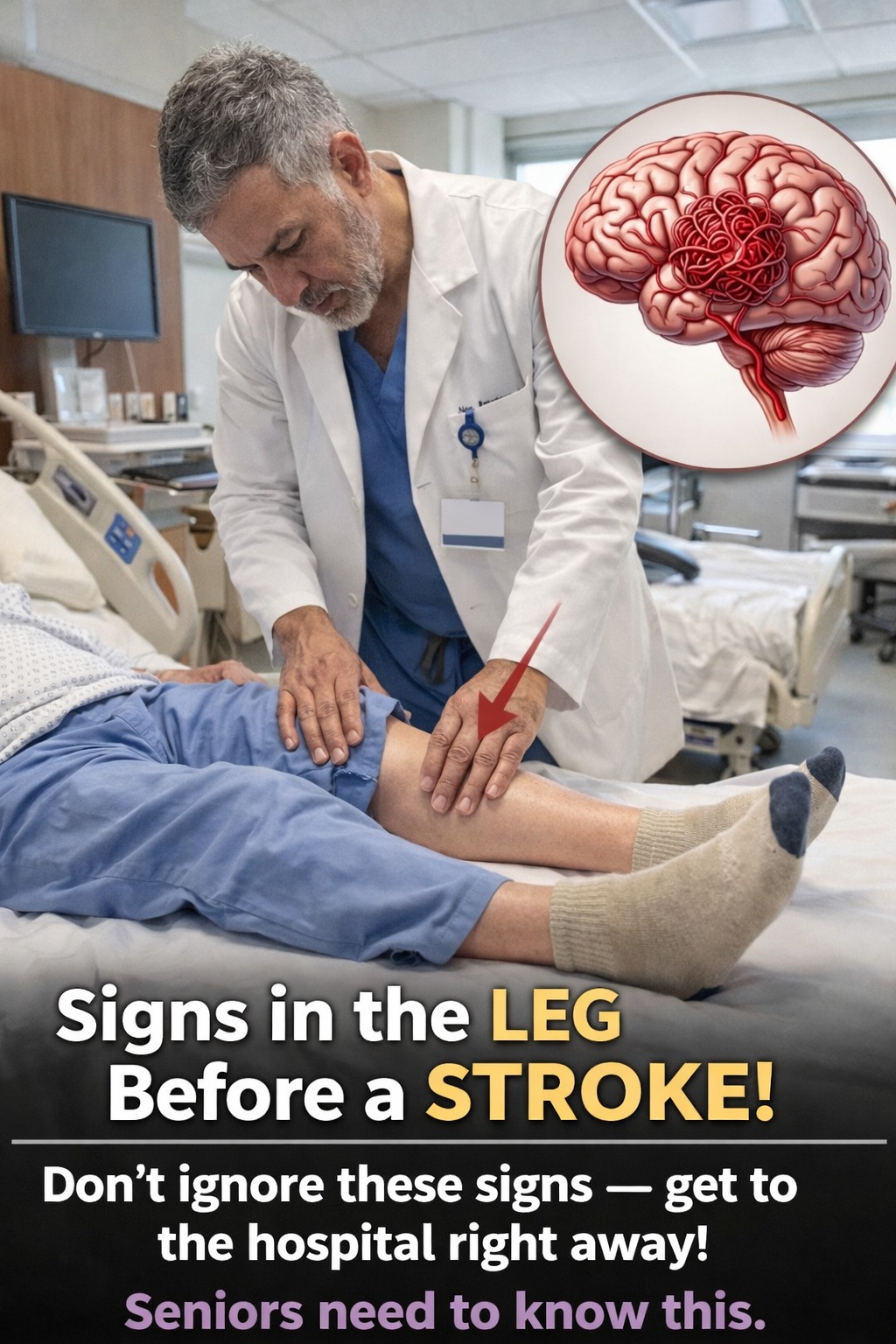
Leg symptoms often fall under the broader category of sudden numbness or weakness, especially on one side. Here’s what to watch for:
- Sudden weakness in one leg, making it hard to stand or walk normally.
- Numbness or a “pins and needles” feeling in the leg without obvious cause.
- Trouble with balance or coordination, like stumbling or feeling unsteady.
- One leg feeling heavier or less responsive than the other.
These can appear alone or with other signs like confusion, vision changes, or severe headache. Research from sources such as the CDC highlights that sudden numbness or weakness in the face, arm, or leg—particularly one-sided—is recognized by over 90% of people as a key stroke indicator when surveyed.
Common Leg-Related Stroke Signs (Bullet List for Quick Reference):