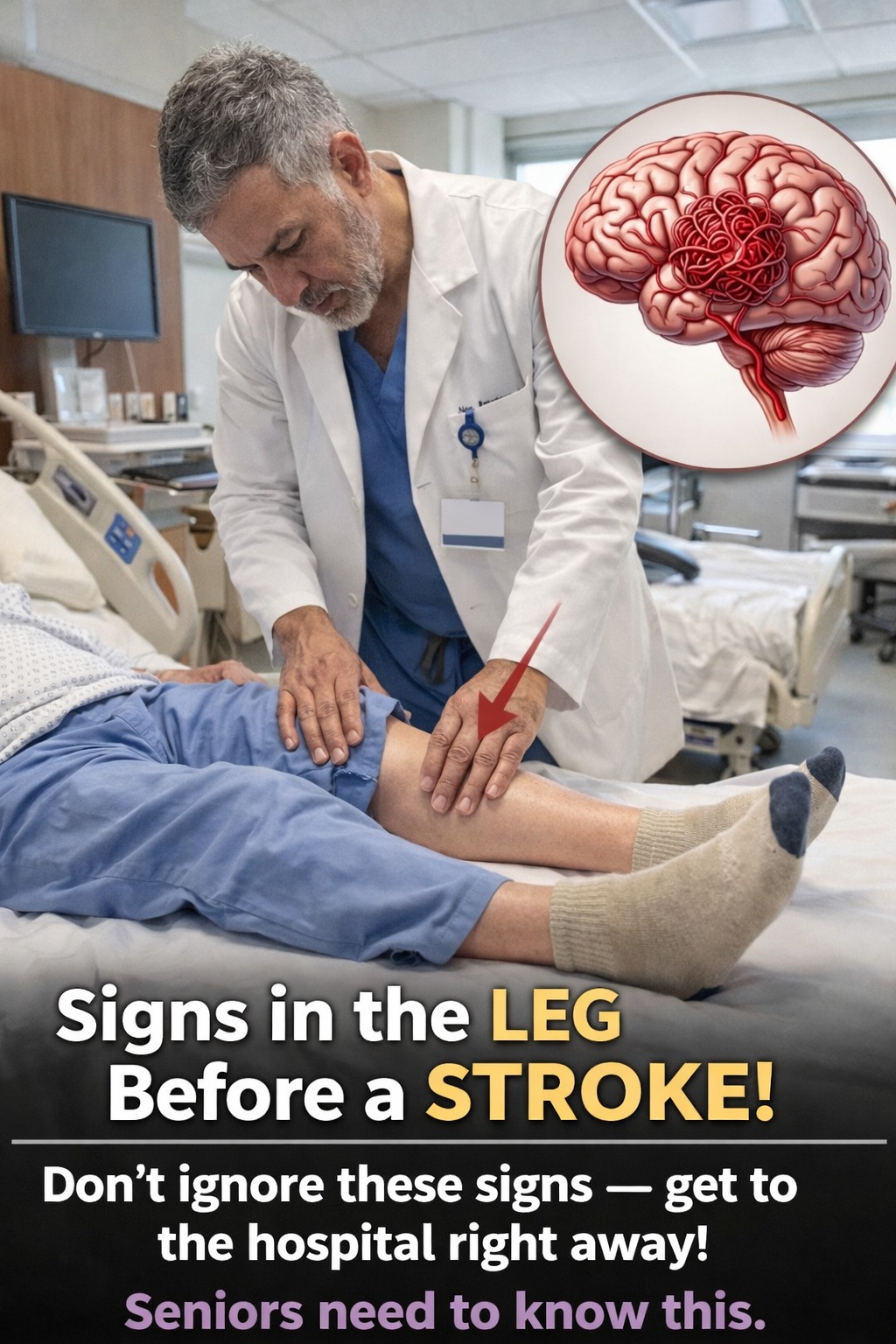
- Sudden one-sided leg weakness or heaviness
- Unexplained numbness or tingling in the leg
- Difficulty walking straight or loss of balance
- Leg dragging or trouble lifting the foot properly
- Combined with arm or face issues on the same side
If any of these hit suddenly, don’t wait to see if they pass.
Why Older Adults Should Pay Extra Attention
As we age, the risk of stroke rises due to factors like high blood pressure, diabetes, and artery changes. Older adults may dismiss leg weakness as arthritis or normal aging, but sudden changes are different. Guidelines from leading health groups stress that everyone, especially those over 55, should know these signs—because time lost is brain lost. Every minute counts when blood flow is blocked.
Here’s an interesting fact: some people experience a TIA first, with leg symptoms resolving in minutes to hours. But ignoring it raises the odds of a bigger event. Acting early by seeking medical help can prevent worse damage.
Actionable Steps: What to Do If You Notice These Signs
If you or a loved one experiences sudden leg weakness, numbness, or related issues:
- Stop what you’re doing and assess using FAST—check face, arms, speech.
- Note the exact time symptoms started (critical for treatment windows).
- Call emergency services immediately—don’t drive yourself.
- Avoid eating, drinking, or taking medications unless advised.
- Stay calm and keep the person comfortable while waiting for help.
Even if symptoms fade quickly, get checked out. Healthcare providers can run tests like imaging or scans to rule out issues and discuss prevention.
Quick Prevention Habits to Lower Your Risk (Daily Tips):
- Monitor blood pressure regularly—keep it under control.
- Eat heart-healthy foods like fruits, veggies, and whole grains.
- Stay active with walking or light exercise most days.
- Manage conditions like diabetes or high cholesterol with your doctor.
- Quit smoking and limit alcohol.
These small changes add up and support overall vascular health.
More Than Just Legs: Full Picture of Stroke Awareness
While leg symptoms grab attention here, strokes can show in many ways. Vision problems, sudden severe headache, or confusion often join in. The key message from experts: any sudden neurological change deserves prompt attention. Awareness saves lives—sharing this knowledge with family, especially older relatives, can make a real impact.
Sudden changes in your legs—like weakness, numbness, or trouble moving—aren’t always harmless. They can be important clues that something is affecting blood flow to the brain. By staying alert and acting quickly, you give yourself or a loved one the best chance at a positive outcome. Knowledge is powerful—don’t ignore what your body might be trying to tell you.
Frequently Asked Questions
What should I do if leg weakness comes and goes quickly? Even brief episodes could be a TIA, a warning sign. See a doctor right away for evaluation—better safe than sorry.
Are leg symptoms always a sign of stroke? No—other causes like nerve issues or circulation problems exist. But sudden, one-sided changes need urgent medical review to rule out serious issues.
How can older family members learn these signs easily? Share simple tools like the FAST test. Post reminders or discuss during family gatherings—awareness builds protection.
Disclaimer: This article is for informational purposes only and not a substitute for professional medical advice. If you experience any sudden symptoms, seek immediate emergency care. Always consult a healthcare provider for personalized guidance.