3. Insomnia or sleep disorders
Kidney damage can also impair sleep quality.
Insomnia resulting from kidney failure is called secondary insomnia. Affected individuals often wake up repeatedly during the night, sometimes accompanied by frequent urination or restless legs. A study published in the "Clinical Journal of the American Society of Nephrology" found that kidney dysfunction can disrupt hormone balance and increase toxin levels in the blood, leading to difficulty falling and staying asleep. Furthermore, there is a link between kidney disease and restless legs, which causes restless sleep in affected individuals.
4. Muscle cramps or pain at night

Many people believe that nighttime leg cramps are simply due to a calcium deficiency. However, persistent leg cramps at night can be a sign of kidney problems.
Kidney dysfunction can lead to electrolyte imbalances, especially deficiencies of calcium, sodium, and potassium—minerals essential for muscle function. Nocturnal leg cramps are common in the early stages of kidney disease.
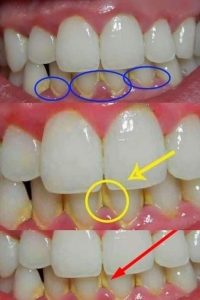
5. Bad breath or a metallic taste in the mouth when waking up
A metallic taste in the mouth is not always caused by digestive problems. If fatigue or loss of appetite also occurs, this may indicate kidney dysfunction.
Morning breath or a metallic taste in the mouth, despite good oral hygiene, may indicate kidney dysfunction. Weakened kidneys are less able to filter urea from the blood. As a result, urea accumulates and breaks down into ammonia in the saliva, leading to bad breath and a metallic taste. According to the journal Nephrology, Dialysis and Transplantation, uremic stench (breath odor caused by urea) is a typical symptom of chronic kidney disease.
Closing remarks
Kidney disease is often referred to as a “silent disease,” but noticing nocturnal symptoms such as swelling, frequent urination, insomnia, cramps, or bad breath can help identify the problem early and allow for timely treatment.
Regular kidney function tests, a balanced diet, and monitoring your blood pressure are good ways to keep your kidneys healthy.