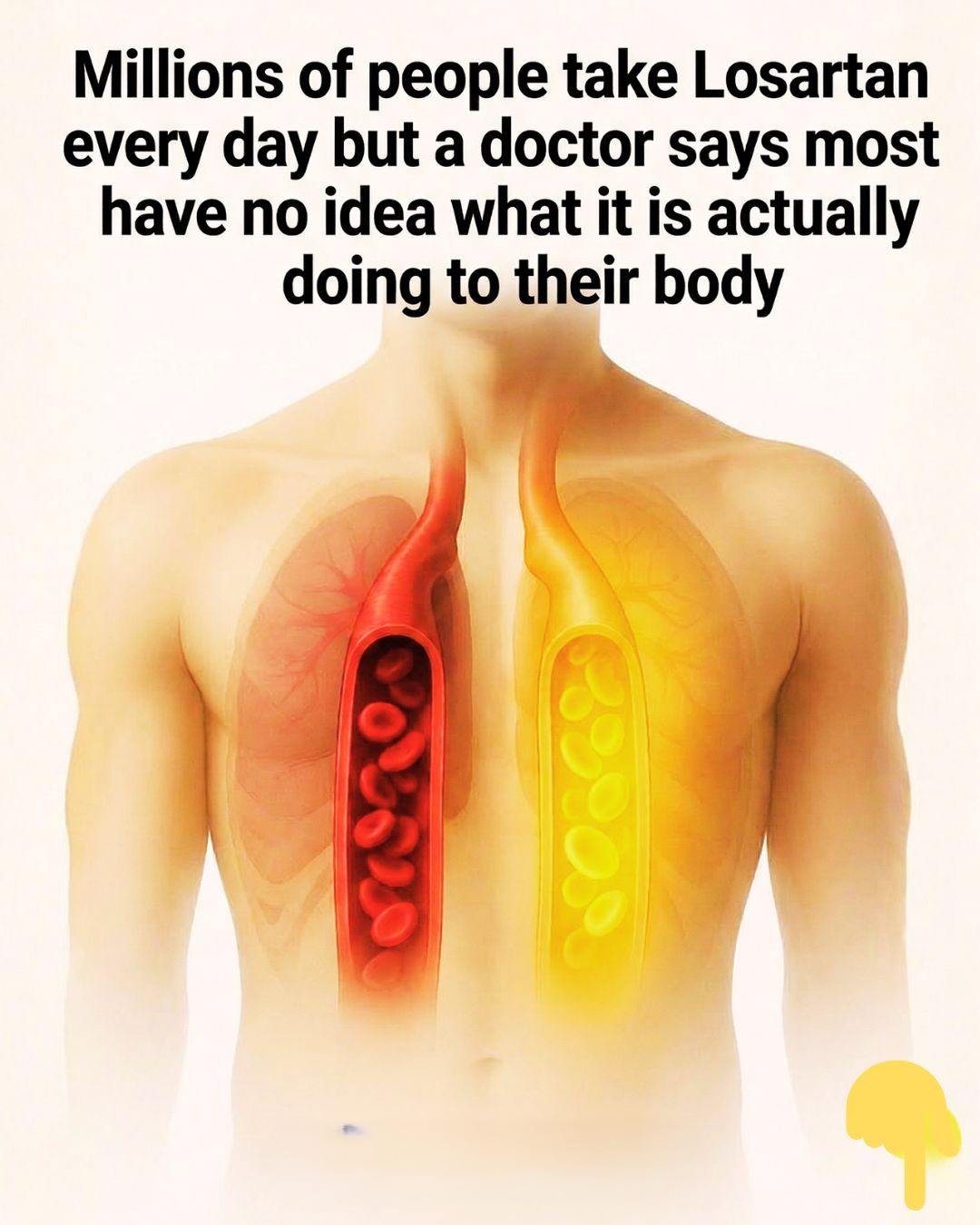
Losartan is a medication commonly prescribed to manage high blood pressure and protect the kidneys in people with type 2 diabetes. It belongs to a group of drugs called Angiotensin II Receptor Blockers (ARBs). These medications work by relaxing your blood vessels, which helps to lower your blood pressure and make it easier for your heart to pump blood. It can also be used to help people who have had a heart attack or have heart failure. (This article is based on the expertise of Dr. Alberto Sanagustín)
How Losartan Works
Losartan is part of a class of drugs known as ARBs, which stands for Angiotensin II Receptor Blockers. Think of it like this: your body naturally produces a substance called angiotensin II. This substance can cause your blood vessels to narrow, making it harder for blood to flow and increasing your blood pressure. Losartan works by blocking the effects of angiotensin II. When angiotensin II can’t do its job of narrowing the blood vessels, those vessels relax and widen. This makes it easier for blood to circulate, and as a result, your blood pressure goes down. This also means your heart doesn’t have to work as hard to pump blood throughout your body.
Key Takeaways
- Losartan is an ARB used to treat high blood pressure and protect kidneys in type 2 diabetes.
- It works by blocking angiotensin II, which narrows blood vessels.
- It helps relax and widen blood vessels, lowering blood pressure.
- It can be used for heart failure and after heart attacks.
- It’s usually taken once a day and is a long-term treatment.
- Never stop taking it without consulting your doctor.
- If you miss a dose, take it as soon as you remember, but don’t double up.
- It’s generally safe for long-term use with regular check-ups.
- It’s less likely to cause a dry cough compared to ACE inhibitors like enalapril.
- Inform your anesthesiologist about taking Losartan before surgery.
- It’s not a primary treatment for Raynaud’s phenomenon but might be used in some cases.
- There’s no strong evidence it protects against Alzheimer’s, though it might help with small brain vessel issues.
- It doesn’t interfere with birth control unless it causes severe vomiting or diarrhea.
- You can usually drive while taking it, but be cautious if you feel dizzy.
- Avoid alcohol at the start of treatment or when increasing the dose.
- Lifestyle changes like quitting smoking, reducing alcohol, exercising, and eating healthy are vital.
- Be mindful of high-potassium foods if you have kidney problems.
- Common side effects include dizziness, fatigue, and headache.
- It is not addictive and does not cause cancer.
- Contraindications include pregnancy (second/third trimester), kidney artery stenosis, and severe liver failure.
- Interactions can occur with NSAIDs, potassium-sparing diuretics, lithium, and ACE inhibitors.
- Some herbs like St. John’s Wort or licorice might affect its efficacy.
Recent Articles