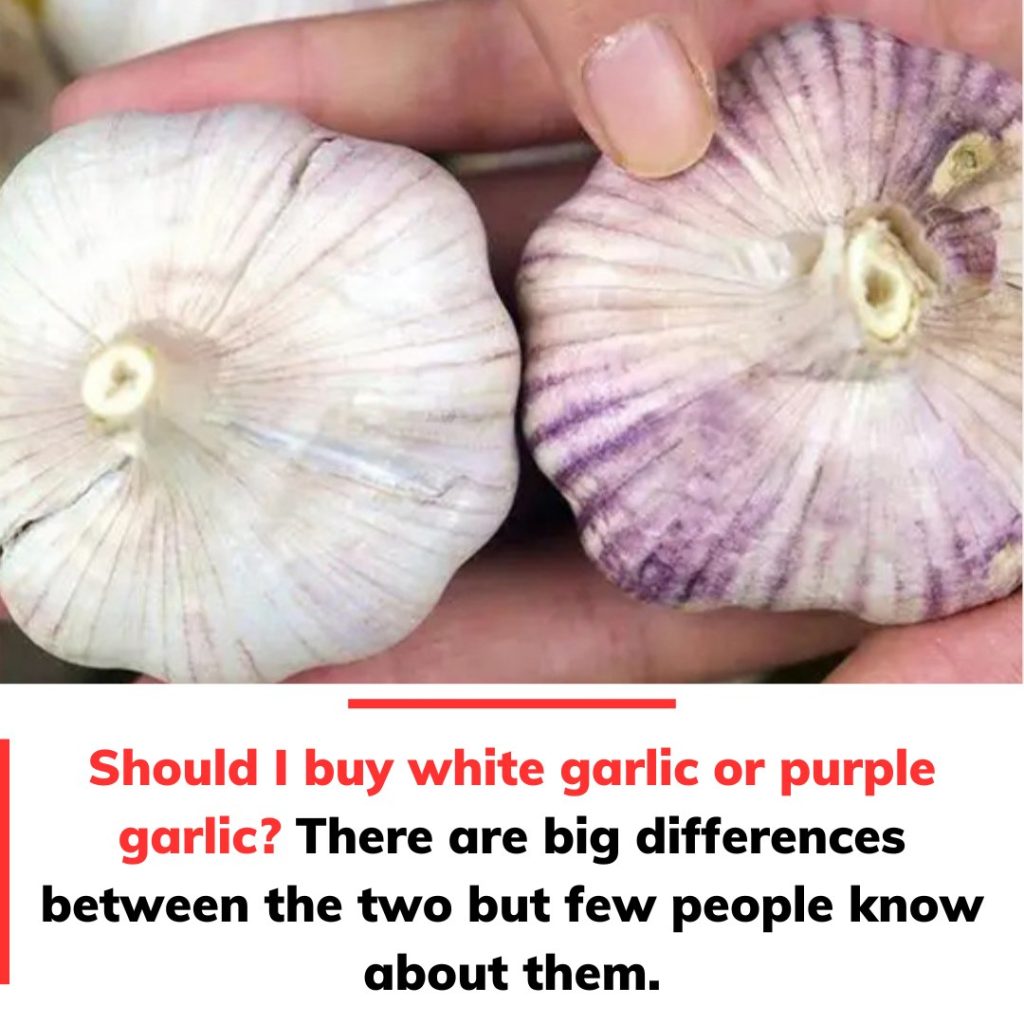
Flavor Differences in Cooking
One of the biggest distinctions between white and purple garlic is their flavor profile.
White Garlic: Bold and Intense
White garlic has a strong, sharp flavor that stands out in cooked dishes. It’s ideal when you want garlic to be the dominant taste.
Common uses include:
- Rich pasta sauces
- Roasted meats
- Stir-fries
- Slow-cooked stews
Its bold flavor holds up well during longer cooking times, allowing it to infuse dishes deeply.
Purple Garlic: Mild and Slightly Sweet
Purple garlic has a milder, more complex flavor with subtle sweetness and a gentle peppery bite. Because of its balanced taste, it works beautifully in dishes where garlic should complement other ingredients rather than overpower them.
It’s particularly great for:
- Salad dressings
- Aioli and dips
- Light sautés
- Fresh or raw preparations
This delicate flavor profile makes purple garlic a favorite among gourmet cooks.
Nutritional Value and Health Benefits
Both types of garlic offer powerful health benefits, though they differ slightly in their nutritional composition.
Purple Garlic: Higher Allicin Content
Purple garlic typically contains higher levels of allicin, the sulfur compound responsible for garlic’s aroma and many of its health properties. Allicin is associated with:
- Antibacterial effects
- Antioxidant activity
- Potential cardiovascular support
This compound also contributes to the slightly spicy edge in purple garlic.
White Garlic: Rich in Selenium and Germanium
White garlic often contains higher levels of selenium and germanium, minerals known for supporting immune function and offering potential anti-cancer properties.
These nutrients make white garlic a strong addition to a balanced, health-focused diet.