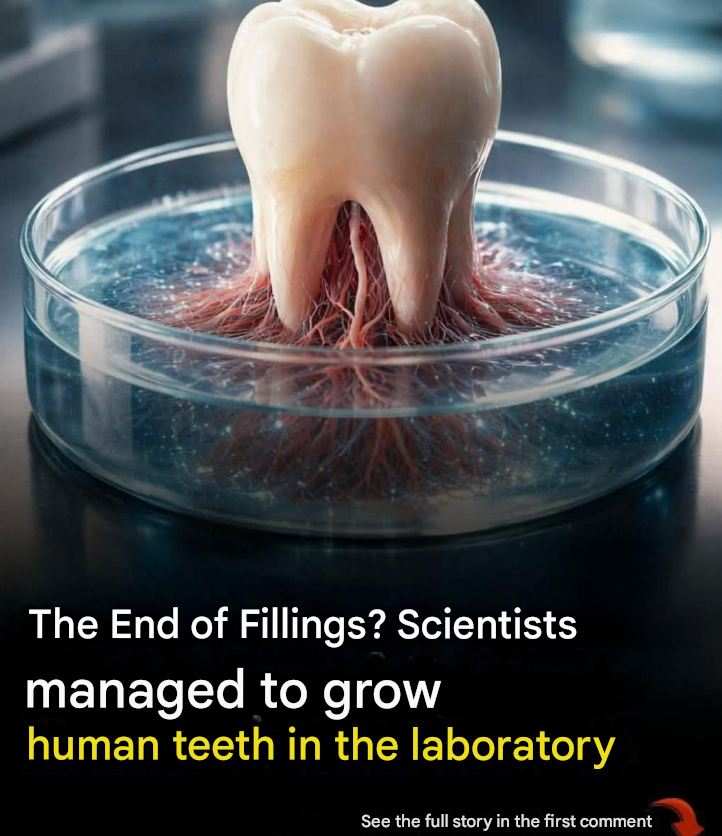
Laboratory-grown teeth have been gaining attention recently, and not just quietly. The topic keeps coming up, in articles, discussions, and even casual conversations.
At first glance, it sounds like one of those ideas that belongs in the future. But the deeper you delve into it, the less distant it seems.
For a long time, the options were quite simple. Lose a tooth, replace it with something artificial. Implants, dentures, bridges. They undoubtedly help.
Advertisement
But they're still substitutes. You can usually tell the difference, even if everything is done perfectly.
Scientists are trying to bridge this gap.
The whole idea behind lab-grown teeth is actually quite simple when you think about it.
Source: KCL.AC
Instead of putting something in your mouth, they want your body to grow it. A real tooth. One made from living cells, not synthetic materials. It sounds ambitious, perhaps even a bit unrealistic at first glance, but research suggests otherwise.
Advertisement
And honestly, it's understandable why people care about this.
Losing a tooth isn't just about how you look in photos. It changes small, everyday things. Eating can feel a bit unsettling. You notice it when you chew. Speaking can also feel different, especially at first. And then there's the matter of self-confidence. People don't always talk about it out loud, but it's there.
Current solutions solve the problem on paper. In reality, it's a bit more complicated.
Implant placement involves surgery. The prosthesis can move at the most unexpected moment. Even if everything is working properly, the prosthesis still doesn't resemble a natural tooth. This is why lab teeth are becoming increasingly interesting, as they attempt to fill this gap.