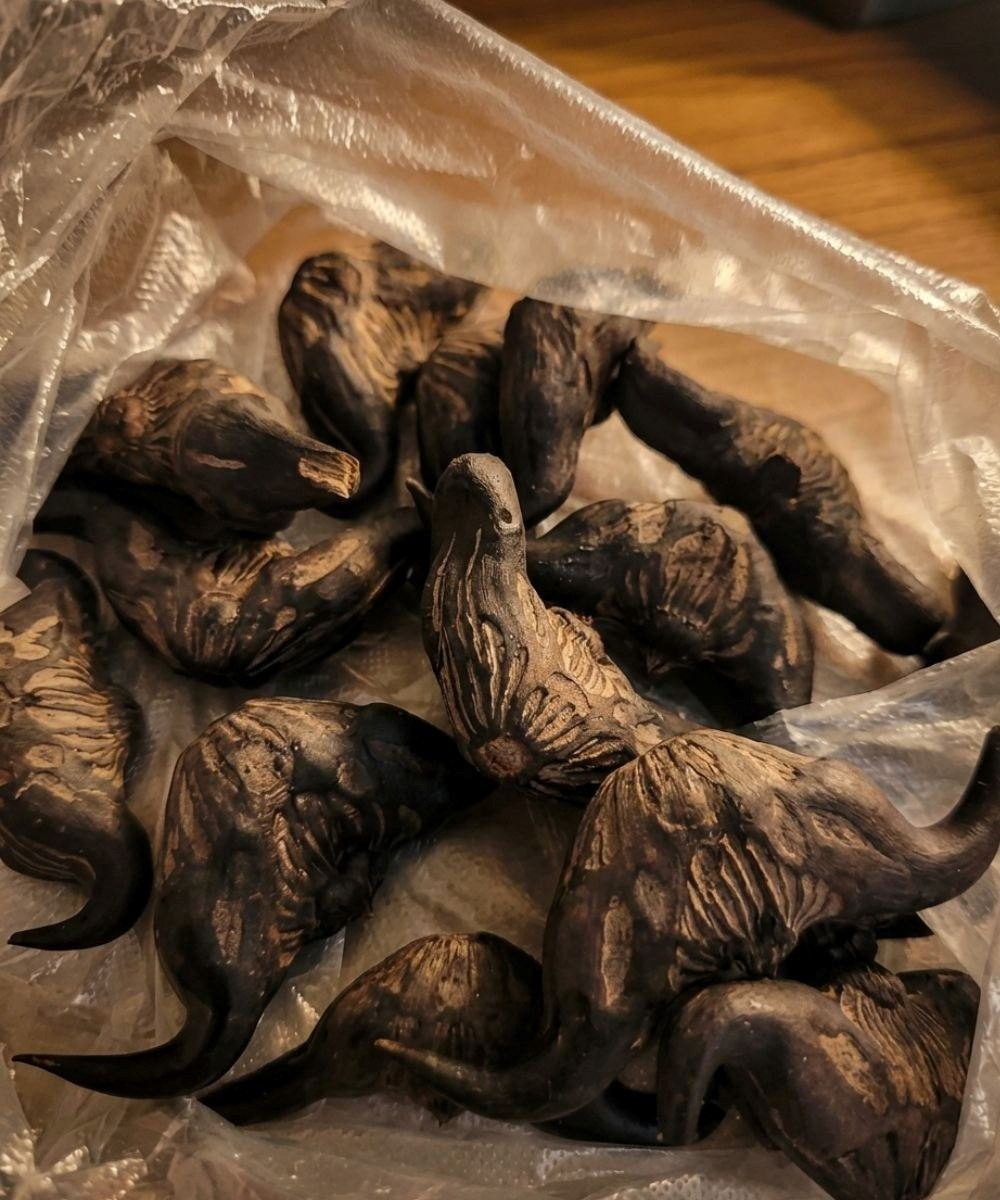
Many forest roots look harmless, similar to yams or ginger, yet contain toxic compounds that require precise preparation or should not be eaten at all. Below are five clear warning signs that mean you should not eat this kind of wild root.
1. It Causes Immediate Itching or Burning on the Skin
One of the biggest red flags appears before you even eat it. If touching the raw root causes itching, burning, redness, or numbness on your hands, lips, or tongue, stop immediately.
Many wild roots contain calcium oxalate crystals or natural irritants that can penetrate the skin and mucous membranes. These substances may cause:
- Severe mouth and throat irritation
- Swelling of the lips or tongue
- Difficulty swallowing or breathing
- If it irritates your skin, imagine what it can do inside your body.
2. You Don’t Know the Exact Species
This is where most accidents happen.
Many edible and poisonous roots look almost identical. A small difference in shape, color, or internal texture can mean the difference between food and poison. If you cannot identify the plant with absolute certainty, do not eat it.
Traditional knowledge often includes:
- Exact harvest season
- Soil type
- Preparation methods passed down over generations
- Without that full knowledge, guessing is extremely risky.