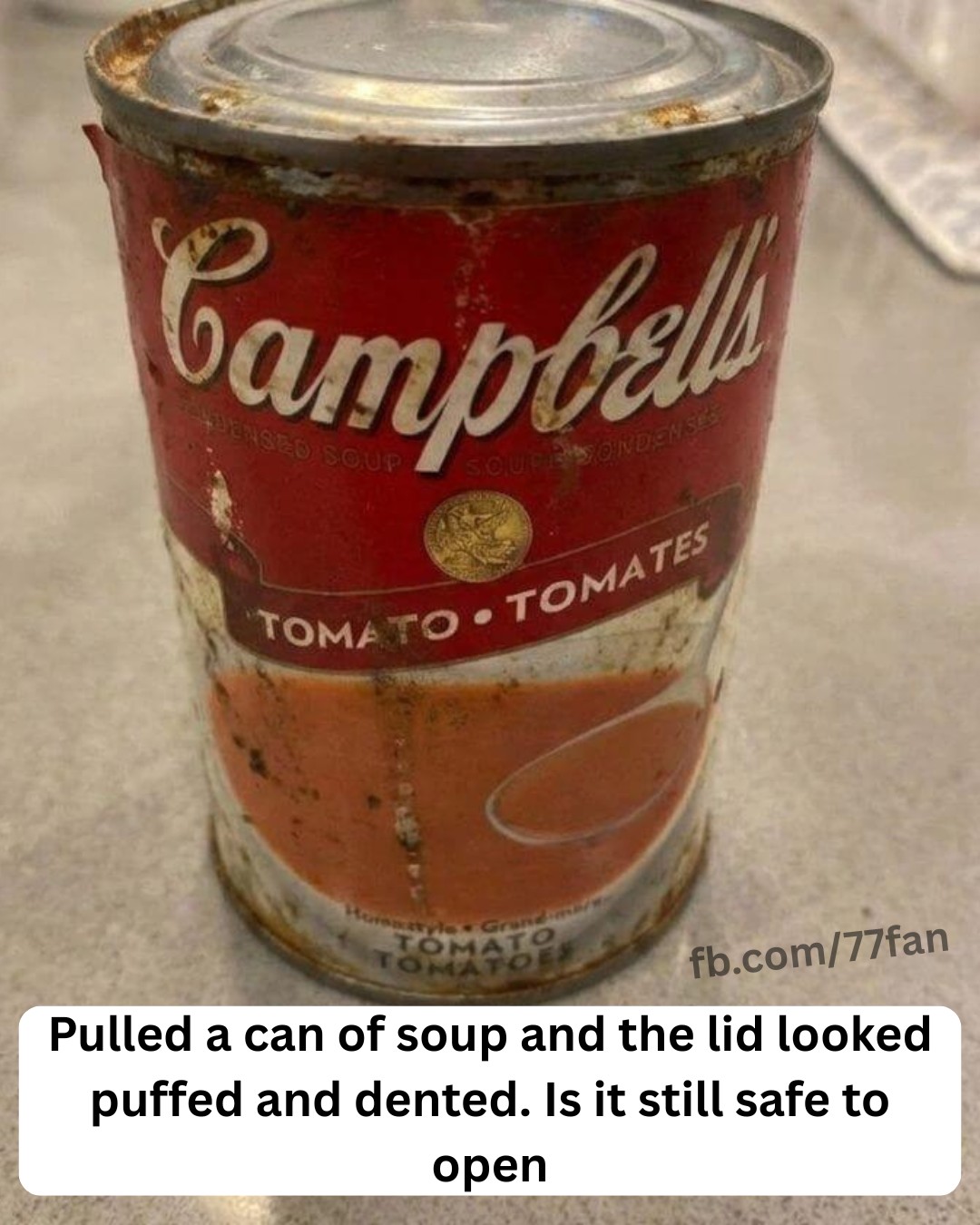
So if the can is already open, check:
Does it smell normal?
Does the food look the way it should?
Did anything spray or foam when you opened it?
If there’s a weird smell or anything looks unusual—just stop there.
Don’t taste it “just to check.” That’s one of the biggest mistakes people make.
The “just a tiny bite won’t hurt” myth
It’s tempting.
You don’t want to waste food, so you think—maybe it’s fine, I’ll just try a little.
But with certain toxins, especially the ones linked to spoiled canned foods, even a small amount can be dangerous.
So no tasting. No testing.
If you’re unsure, it’s a no.
What you should do instead
If a can seems suspicious, the safest move is simple:
Throw it out.
But do it properly—seal it in a bag so nothing leaks, and clean the area if anything spilled.
It’s a small step, but it prevents cross-contamination.
And if you bought it recently, it’s worth letting the store know too. Not everyone thinks to do that, but it helps.
A small habit that saves a lot of trouble
This part’s easy to overlook.
When you’re at the store, just take a second to check the cans before you buy them:
No dents on the seams
No swelling
No rust
Most of the time, everything’s fine. But catching a bad can early? Saves you from dealing with it later.
Final thought (and honestly, this stuck with me)
That moment when I hesitated before opening the can—I almost ignored it.
And I probably would have, a few years ago.
But now? I pay attention to those little signs.
Because with canned food, things are either sealed and safe… or they’re not.
There’s not much in between.
So if something looks off—even slightly—it’s okay to walk away from it.
Better a wasted can than a real problem.