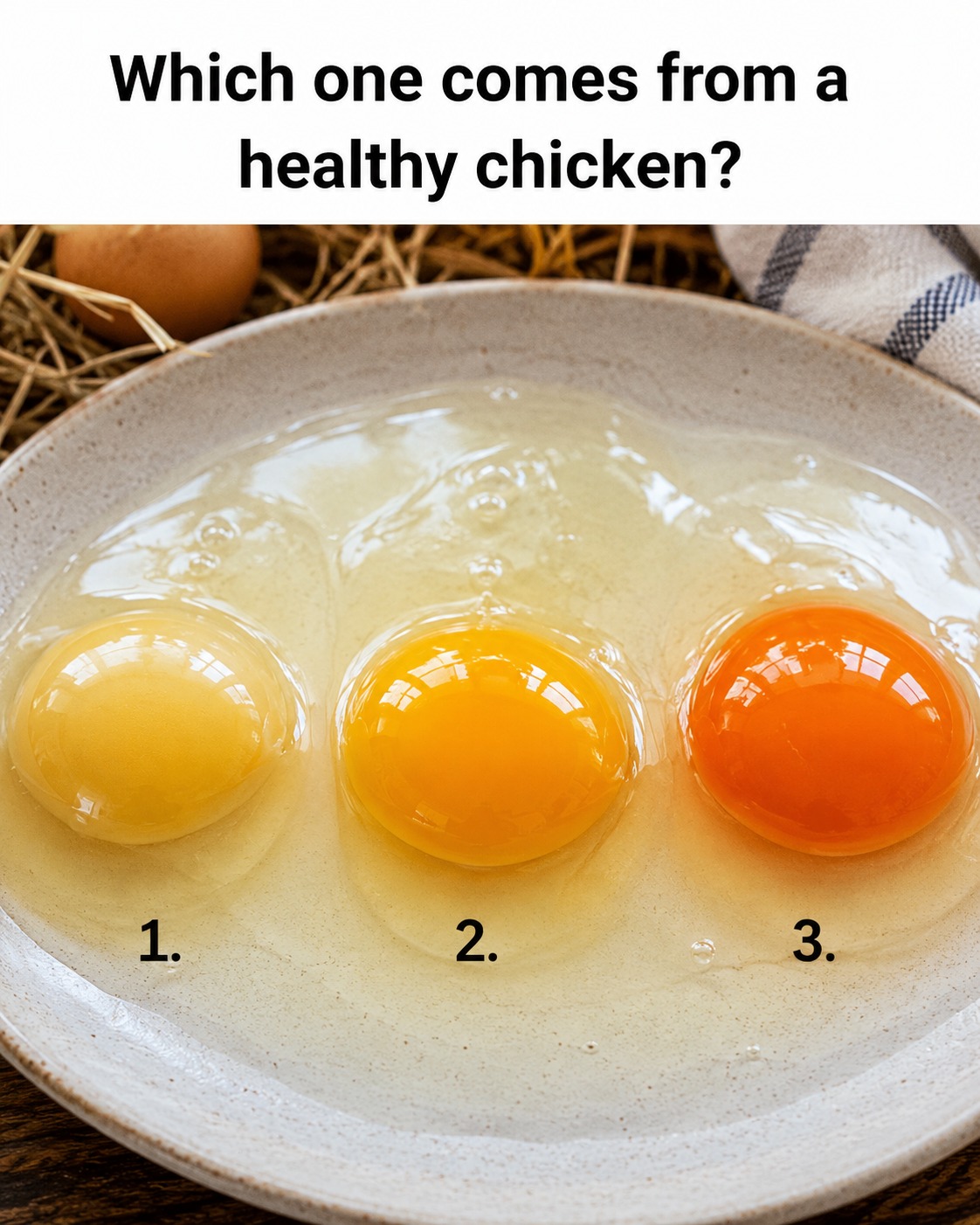
Honestly? If I can’t get pastured, this is my fallback. Still better than the next group…
Caged or Factory Eggs (The Usual Supermarket Fare)
These are the pale yellow ones. Hens raised indoors, fed a steady diet of grain, corn, and not much else. Their lives are pretty confined—and you can taste that limitation in the egg.
They’re cheap. They’ll work in a pinch. But nutritionally? They’re kind of a snooze.
Wanna Know What You’re Really Eating?
Think about it this way: whatever a chicken eats ends up in the egg. And then it ends up in you.
So if she’s getting a varied diet—greens, bugs, seeds—you’re reaping the benefits. But if all she’s eating is wheat and corn all day long? Well, your yolk’s gonna look like it.
And hey, I’m not saying you need to go Full homestead and raise chickens in the backyard (though if you do, please invite me over). But just paying attention to that yolk? That’s a start.
What the Labels Don’t Tell You (But Should)
Those words on the carton? They can be sneaky. So here’s a cheat sheet:
“Pasture-raised” = Best of the bunch. Real outdoor time, real variety in the diet.
“Free-range” = Not too shabby. Some outdoor access, slightly better nutrition.
“Cage-free” = Don’t be fooled. It might just mean a big barn full of chickens who still never see daylight.
“Organic” = Could be helpful, but doesn’t automatically mean outdoor space.
Your best bet? Farmers’ markets. Small local farms. Or if you’ve got a neighbor with hens and a soft spot for banana bread, maybe make a little trade.
Little Extras That Can Affect Yolk Color
Just in case you’re wondering, “Well what if it’s a weird fluke?”
Sure, sometimes farmers add marigold petals or peppers to chicken feed—totally natural, and it does deepen the yolk color. But that’s still better than a lifeless, pale yolk from a stressed-out hen who’s never seen the sun.
And seasons play a part, too—spring and summer eggs tend to be brighter because the hens are eating fresh stuff. Winter yolks might lighten up a bit.
How to Store and Love Those Fancy Eggs
If you’re shelling out (pun totally intended) for good eggs, treat ’em like the little nutritional gems they are:
Store them pointy-end down—keeps the yolk centered.
Don’t wash them if they’re straight from the farm; that bloom on the shell protects them.
Use ‘em fresh for fried or poached eggs. Older ones? Perfect for hard-boiling.
Got extras? Crack and freeze in ice cube trays for later.
Oh, and those shells? Crush them up and toss them into your garden. Tomatoes love ‘em. It’s a full-circle moment.
So… What Color Was Your Last Yolk?
I’ll leave you with this: we get so used to the “normal” way things look and taste, we don’t even question it. But that bold orange yolk? It woke me up. It reminded me that food is supposed to come from somewhere. Not just a shelf.
So next time you’re cracking an egg—pause. Take a look. Think about the chicken behind it.
And if you’ve got yolk stories, or a favorite farm you swear by, tell me in the comments. I could talk eggs all day.
Go on, crack one open and see what you find.