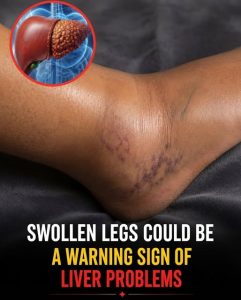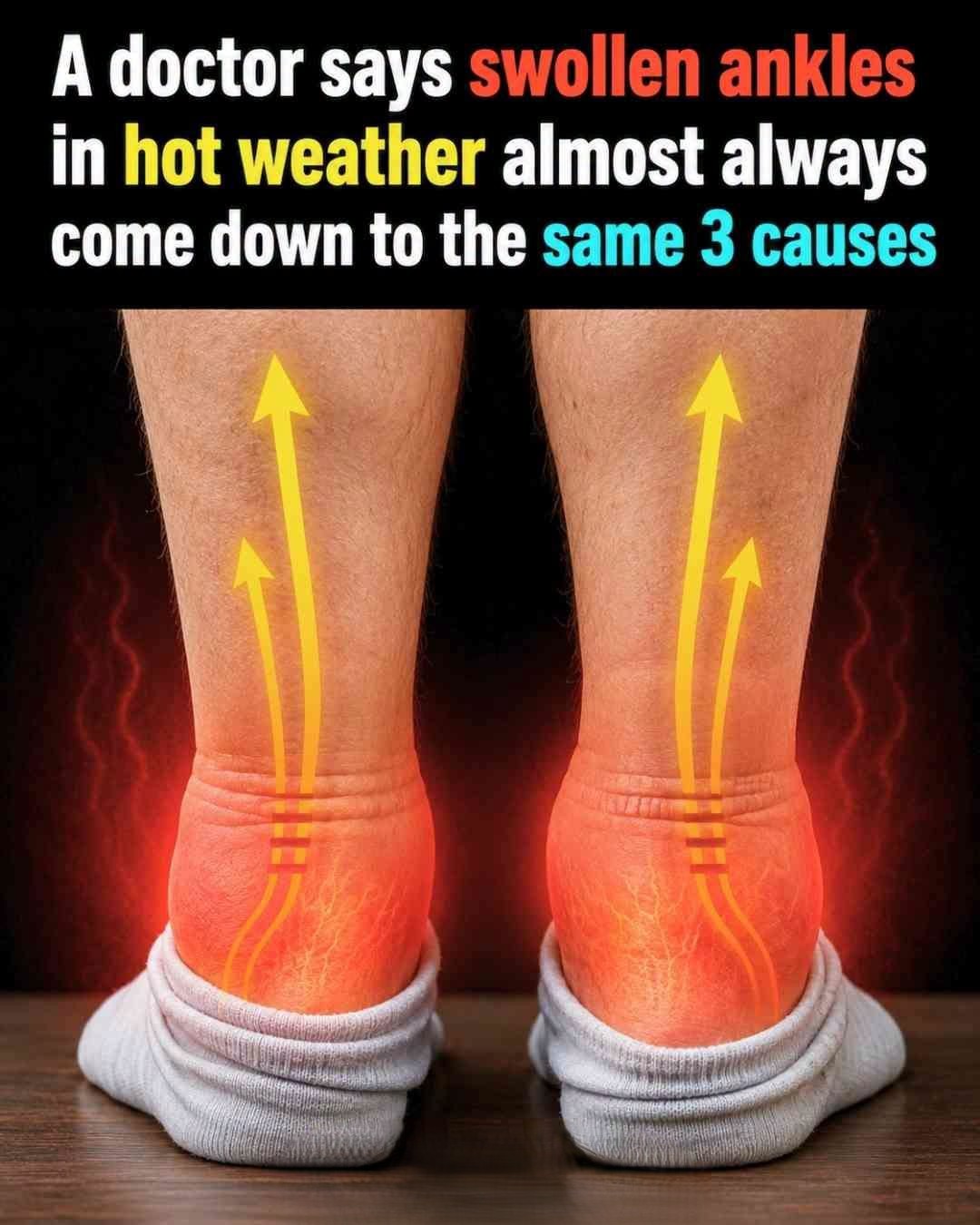
Sometimes it isn’t just the heat. Conditions such as heart failure, kidney disease, liver disease, poor circulation, and peripheral vascular disease can all exacerbate ankle swelling. Certain medications can contribute too — blood pressure medications like amlodipine (brand name Norvasc) are a commonly cited example. It’s worth not automatically assuming every swollen ankle is simply due to summer heat.
A Note on Electrolytes
Sweating more in hot weather means losing sodium along with other electrolytes like potassium and magnesium, which doesn’t help the situation. For most people with normally functioning kidneys, maintaining adequate salt intake in hot weather is actually important rather than something to restrict aggressively. That said, this is genuinely different for people with certain health conditions — anyone with kidney disease, heart failure, or a condition affecting sodium levels should follow their doctor’s specific guidance rather than general advice.
When Swelling Is Just the Heat vs. When to Worry
Heat-related swelling typically affects both legs and ankles equally, tends to improve overnight, isn’t particularly painful, and doesn’t usually come with redness.
Seek medical attention promptly if any of the following apply: one leg is significantly more swollen than the other, the area is painful, red, or warm to the touch, or the swelling is accompanied by chest pain, shortness of breath, or heart palpitations. These can be signs of something like a blood clot, particularly if you’ve been relatively stationary, and warrant urgent evaluation — often with an ultrasound or CT scan at an urgent care facility or emergency room.
Practical Tips for Reducing Heat-Related Swelling
Avoid being too stationary — keep moving throughout the day
Stay well hydrated, aiming for several glasses of water daily, up to 10–15 on very hot or high-sweat days
Maintain electrolyte intake alongside your water intake
Avoid standing in one place for prolonged periods
Elevate your legs above heart level for brief periods when possible
Wear loose-fitting clothing, and avoid socks or pants that are too tight
Ask your doctor about compression stockings, which many people find helpful
Frequently Asked Questions
Is ankle swelling in summer always harmless?
Usually, but not always. Heat-related swelling typically affects both legs equally, isn’t painful, and improves overnight. Swelling that’s one-sided, painful, red, or warm to the touch is different and should be checked promptly, since it can signal something like a blood clot.
Why does swelling get worse throughout the day?
Gravity plays a role — since your feet and ankles are the lowest point of your body, fluid tends to accumulate there over the course of the day, which is why swelling is usually more noticeable in the evening than in the morning.
Should I cut back on salt if my ankles are swelling?
Not necessarily, for most people with normally functioning kidneys — sweating causes sodium loss too. However, anyone with kidney disease, heart failure, or a condition affecting sodium levels should follow their doctor’s specific guidance rather than general advice.
What’s the fastest way to reduce swelling if it’s just the heat?
Elevating your legs above heart level for around 20 minutes, along with moving regularly throughout the day to keep your calf muscles active, are the two most effective simple steps.
Quick Start Checklist
☐ Move at least once every hour, even indoors
☐ Elevate your legs above heart level for 20 minutes when possible
☐ Stay hydrated with water and electrolytes, especially on hot days
☐ Wear loose-fitting clothing and avoid tight socks or pants
☐ Ask your doctor about compression stockings
☐ Seek medical attention if swelling is one-sided, painful, red, warm, or paired with chest pain or shortness of breath
Source: Dr. Suneel Dhand
Disclaimer: This article is for general informational purposes only and is not a substitute for professional medical advice, diagnosis, or treatment. If you experience swelling with pain, redness, warmth, or that affects one leg significantly more than the other, or swelling accompanied by chest pain, shortness of breath, or palpitations, seek medical attention promptly.