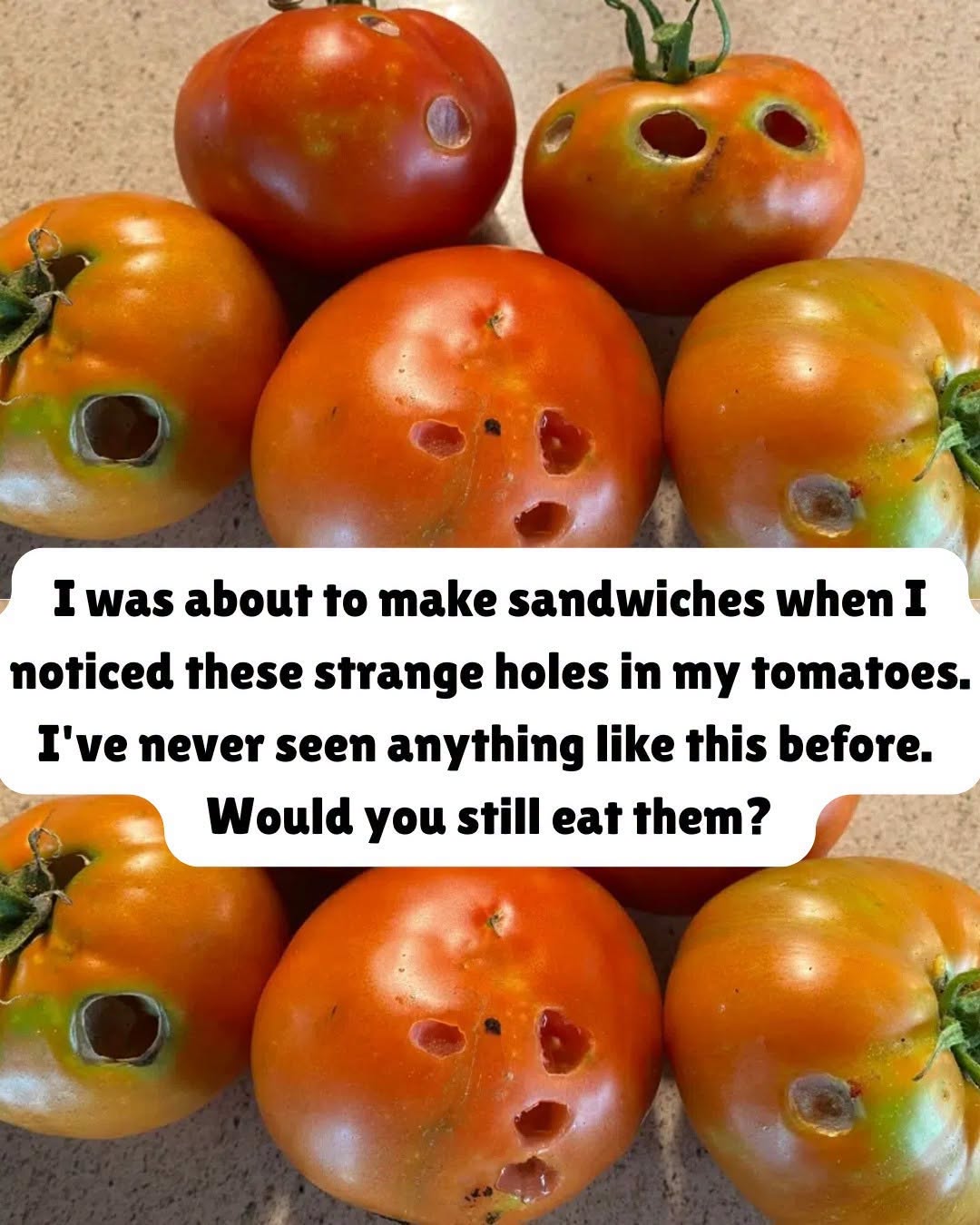
If you want to keep your harvest pristine, you don’t need to resort to harsh chemicals. There are many gentle, resourceful ways to protect your plants.
 The Morning Patrol: The best pesticide is your own two feet. Walk through your garden every morning with a cup of coffee. If you see a hornworm, simply pick it off and drop it into a bucket of soapy water. It’s gross, but it’s highly effective!
Floating Row Covers: If you have a severe insect issue, you can place lightweight, breathable fabric over your plants. This lets sunlight and water in, but keeps the moths from laying their eggs on the leaves.
Encourage Good Bugs: Not all bugs are bad! Ladybugs, lacewings, and tiny parasitic wasps are your garden’s best friends. If you see a hornworm with little white rice-like cocoons on its back, leave it alone! Those are parasitic wasp babies, and they will hatch and naturally control the pest population for you.
Consistent Watering: To prevent those ugly cracking “holes,” keep your soil’s moisture consistent. Mulch heavily around the base of your plants to retain water, and try to water at the roots rather than overhead.
 Frequently Asked Questions
Q: I cut open a tomato and it was full of worms inside. Is the whole plant ruined?
A: Not necessarily! The worms (usually fruitworms) fly in as moths and lay eggs on the leaves. The hatched caterpillars bore into the fruit. Removing the affected tomatoes immediately stops them from completing their life cycle. Check the rest of your plants for eggs (tiny white spheres on the undersides of leaves) and squish them.
Q: Can I compost tomatoes that have holes or worms in them?
A: Yes, but with a caveat. If you compost a tomato full of live worms or pest eggs, those pests might just survive and crawl right back into your garden next spring. If you want to compost them, bury the rotten fruit deep in the center of your compost pile where it gets very hot, or seal them in a plastic bag in the sun for a few days to cook the pests before adding them to the bin.
Q: Why are my tomatoes perfectly round but have a leathery, dark patch on the bottom?
A: That’s not a hole, but it is a common issue! That’s called Blossom End Rot. It looks like a dark, sunken hole at the bottom of the fruit. It’s not caused by a bug, but by a calcium deficiency in the plant, usually triggered by uneven watering.
Q: Do I need to spray my tomatoes to prevent holes?
A: You certainly don’t have to! Many organic gardeners simply accept a little bit of bug damage as the “tax” we pay to nature for growing food. A tomato with a small scar often tastes just as sweet, if not sweeter, than a perfectly flawless one.
For Complete Cooking STEPS Please Head On Over To Next Page Or Open button (>) and don’t forget to SHARE with your Facebook friends