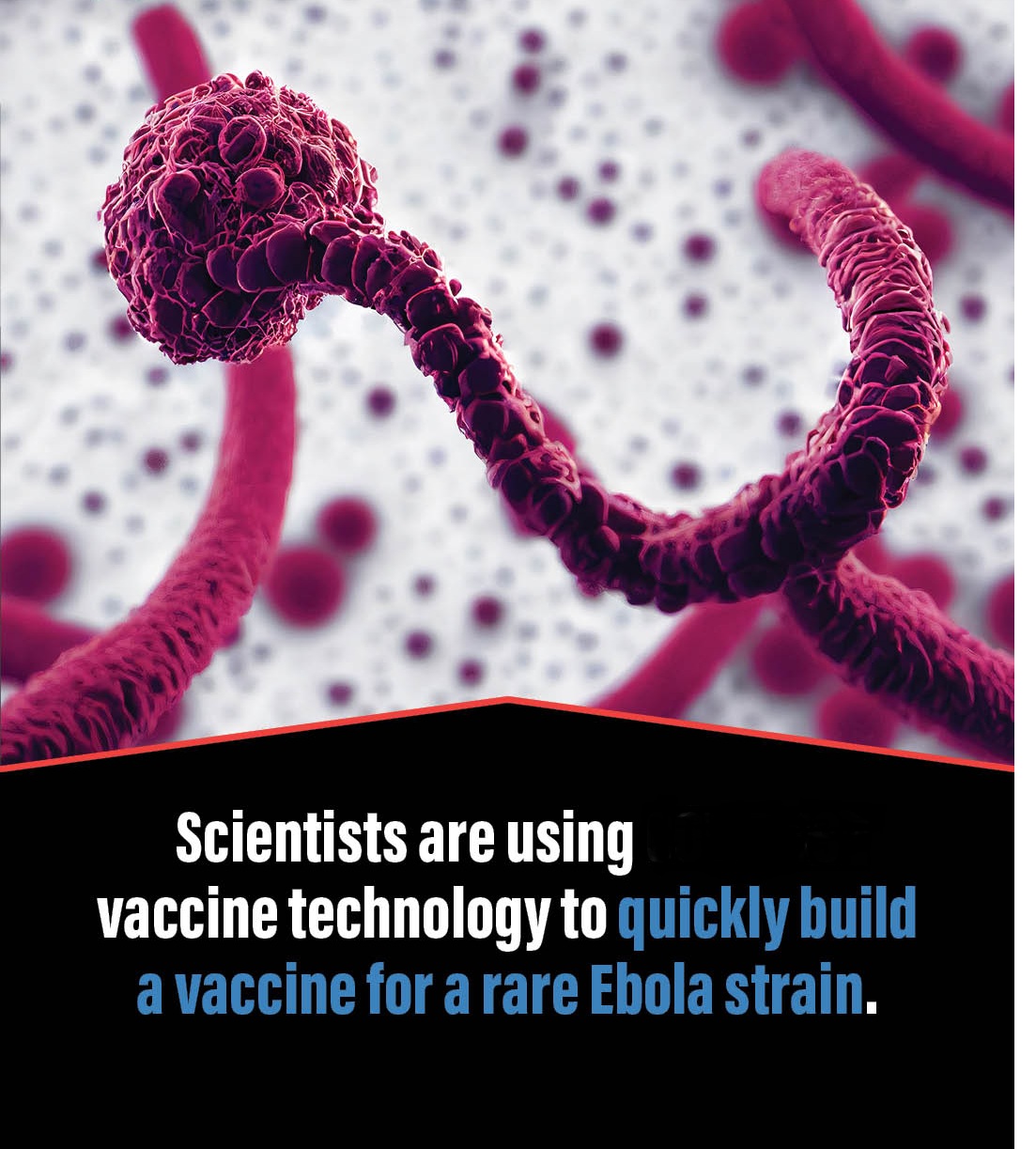
The UK's Fast-Track Efforts
Scientists at the University of Oxford Vaccine Group (OVG) and the Pandemic Sciences Institute are leading the charge to fill this gap.
-
The Platform: They are utilizing their ChAdOx1 platform—the exact same adenoviral vector technology that underpinned the Oxford/AstraZeneca COVID-19 vaccine.
-
The Timeline: Because this platform is already thoroughly understood and has a proven track record for rapid scaling, the WHO estimates that doses of this candidate vaccine (ChAdOx1 BDBV) could potentially be ready for emergency human clinical trials in two to three months.
-
Global Manufacturing: Oxford is collaborating directly with the Serum Institute of India to urgently scale up and manufacture trial doses, while concurrently gathering necessary preclinical animal safety data.
On-the-Ground Complications
While a vaccine being "months away" is incredibly fast by historical standards, it presents a brutal logistical race against the current reality in Central Africa.
-
Security and Trust: The outbreak's epicenter in northeastern DRC is plagued by long-standing conflict and rebel activity. Crucially, distrust has led to community pushback—including an incident where an Ebola treatment center in Rwampara was set on fire after a family disputed a relative's cause of death.
-
Safe Burials: Because the bodies of Ebola victims remain highly contagious after death, traditional funeral practices have unfortunately accelerated transmission. Tragically, several frontline Red Cross volunteers have already lost their lives while attempting to manage safe and dignified burials.
-
Financial Surge: To help contain the spread before a vaccine arrives, the UN has released $60 million in emergency funds, with the UK contributing £20 million and the US pledging $23 million to open dozens of local clinics and boost surveillance.
Professor Teresa Lambe, leading the Oxford team, expressed the bittersweet reality of pandemic response, stating her hope that local containment measures will stop the outbreak quickly enough that the vaccines ultimately won't even be needed—but if they are, her team is ensuring the world won't be caught empty-handed.